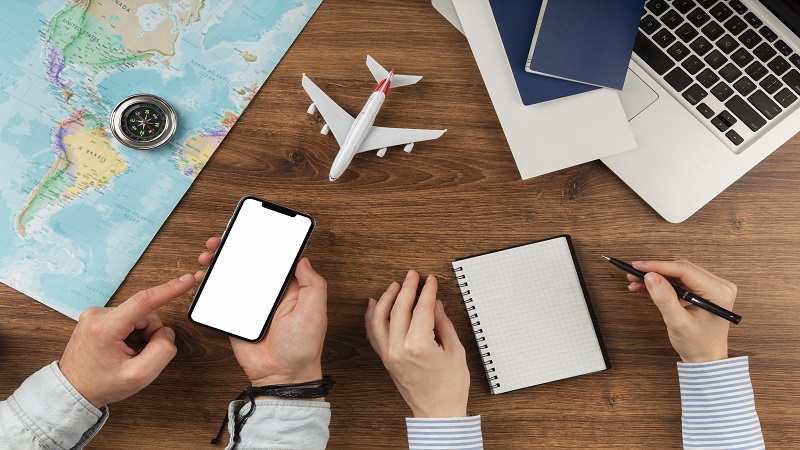
In today’s globalized economy, travel is no longer solely a leisure activity. For entrepreneurs, executives, freelancers, and remote professionals, every journey holds potential business value. Learning how to turn experiences gained on the road into actionable business opportunities can give professionals a competitive edge, spark innovation, and build global networks.
This guide explores practical strategies for Turning Travel Experiences Into Business Opportunities, highlighting how exploration, observation, and cultural immersion can directly influence your professional success.
1. The Strategic Value of Travel in Business
Travel exposes you to new environments, ideas, and people, fostering creativity and innovation. Stepping out of your usual work routine challenges assumptions and helps identify opportunities you might never see from your office desk.
Key Benefits of Travel for Business
- Market Insight: Observing local consumer behavior provides ideas for product or service development.
- Networking Potential: Engaging with professionals abroad expands your business network.
- Cultural Intelligence: Understanding cultural nuances enhances negotiation and collaboration skills.
- Creative Thinking: Exposure to different perspectives sparks innovative solutions.
By seeing travel as more than a vacation, professionals can turn every trip into a strategic business advantage.
2. Identifying Business Opportunities While Traveling
Opportunities often arise from observation. By being attentive and intentional, travelers can spot gaps in the market or areas for improvement.
Key Methods for Discovery
- Analyze Local Markets: Visit local businesses, markets, or co-working spaces to see unmet needs.
- Engage with Locals: Ask questions to understand pain points and challenges.
- Observe Trends: Note popular products, services, or experiences that may inspire new ideas.
- Benchmark Practices: Compare business methods abroad with domestic operations to identify improvement areas.
Careful observation is the first step in Turning Travel Experiences Into Business Opportunities.
3. Networking Abroad: Turning Meetings into Opportunities
Travel offers unique networking opportunities. Meeting professionals in new contexts can result in partnerships, collaborations, or client leads.
Networking Strategies
- Attend Industry Events: Conferences, trade shows, and seminars provide high-value contacts.
- Join Co-Working Spaces: Connect with local freelancers and entrepreneurs.
- Use Social Media for Local Connections: Platforms like LinkedIn can help arrange meetings before arrival.
- Casual Encounters: Coffee shops, local tours, or workshops can also yield meaningful connections.
The quality of relationships matters more than quantity; nurturing these connections can unlock new business avenues.
4. Leveraging Cultural Insights for Business Innovation
Understanding culture is essential when exploring new markets. Insights gained from travel can inform marketing strategies, product design, and customer engagement.
Ways to Use Cultural Insights
- Product Adaptation: Modify offerings to suit local tastes and preferences.
- Marketing Messaging: Tailor communications to resonate with cultural values.
- Customer Experience: Learn innovative ways businesses abroad engage clients.
- Team Management: Apply cultural awareness to improve internal collaboration.
Travel isn’t just about seeing new places—it’s about understanding them in ways that improve your business decisions.
5. Documenting Ideas: From Observation to Action
Ideas observed during travel need to be captured systematically for implementation.
Documentation Strategies
- Travel Journals: Record daily insights, trends, and interactions.
- Photography and Notes: Visual records of businesses, products, or processes.
- Digital Tools: Use apps like Evernote, Notion, or Google Docs to organize ideas.
- Idea Prioritization: Identify concepts with the highest potential for revenue or innovation.
Documentation ensures that inspiration gained abroad translates into concrete business strategies.
6. Turning Observations into Business Models
Once insights are documented, they can be translated into actionable business models or projects.
Steps to Create a Business Opportunity
- Identify the Gap: Analyze observations for unmet market needs.
- Brainstorm Solutions: Develop products, services, or processes inspired by experiences.
- Validate Locally: Test ideas in your home market to gauge demand.
- Adapt for Global Markets: Consider scalability and cross-cultural applicability.
This process transforms casual travel experiences into structured business initiatives.
7. Case Study: Travel-Inspired Innovation
Many successful businesses began by observing trends abroad.
Examples:
- Food & Beverage: Entrepreneurs spotting a unique cuisine or beverage abroad and bringing it home.
- Tech Solutions: Apps inspired by efficiency or convenience observed in other countries.
- Retail Innovations: Store layouts, loyalty programs, or product displays adapted from other markets.
These examples illustrate that intentional observation during travel can create high-impact business ventures.
8. Combining Travel and Professional Development
Travel also provides opportunities for skill-building, networking, and mentorship, all of which can enhance professional growth.
Opportunities to Combine Work and Travel
- Attend Global Conferences: Learn, network, and discover industry trends.
- Enroll in Short-Term Courses Abroad: Gain new skills that can be applied in business.
- Collaborate Internationally: Partner with local entrepreneurs to co-develop solutions.
- Shadow Local Businesses: Understand operational strategies and management styles.
By aligning travel with professional development, you can turn experiences into long-term business advantages.
9. Digital Tools to Maximize Travel Opportunities
Technology enables travelers to transform experiences into opportunities efficiently.
Recommended Tools
- CRM Systems: Track contacts and follow-ups with new connections.
- Networking Apps: Meetup, Eventbrite, and LinkedIn for professional events.
- Translation Tools: Break language barriers for smoother interactions.
- Project Management Tools: Convert insights into action plans post-travel.
Using digital tools ensures that travel-generated opportunities are not lost and are effectively leveraged.
10. Monetizing Travel Experiences
Travel can be directly monetized when aligned with business strategies.
Methods to Generate Revenue
- Business Consulting: Apply insights from global practices to help clients.
- Content Creation: Share knowledge through blogs, social media, or courses.
- Product Development: Launch products inspired by overseas markets.
- Partnerships and Franchising: Collaborate with local businesses to expand offerings.
Monetization transforms exploration from a personal experience into tangible business growth.
11. Overcoming Challenges in International Business Networking
Travel-based opportunities come with unique challenges.
Common Challenges and Solutions
- Language Barriers: Hire interpreters or learn basic phrases.
- Cultural Misunderstandings: Research customs and norms before arrival.
- Time Management: Balance sightseeing and business commitments.
- Legal & Regulatory Issues: Understand local laws and business regulations.
Planning ahead ensures that challenges do not prevent the conversion of travel experiences into opportunities.
12. Measuring the ROI of Travel Experiences
To justify travel as a business strategy, evaluate its impact.
Metrics to Track
- New business contacts and partnerships established
- Leads or sales generated from travel
- Innovation projects inspired by observations
- Knowledge gained and applied to operations
- Brand visibility and credibility expansion
Consistently measuring ROI ensures travel investments yield tangible benefits.
13. Long-Term Impact: Building a Global Perspective
Over time, intentional travel strengthens business acumen, cultural intelligence, and innovation capabilities.
Long-Term Benefits
- Improved decision-making in international markets
- Expanded professional network with global influence
- Enhanced creativity and problem-solving skills
- Greater adaptability to changing business environments
- Strategic advantage in competitive industries
A global perspective positions leaders to capitalize on emerging trends and opportunities.
14. Best Practices for Sustainable Travel-Driven Business Growth
To maximize long-term impact:
- Plan Strategically: Align travel with business goals.
- Be Intentional: Seek opportunities actively rather than passively.
- Document & Reflect: Keep detailed records of insights and observations.
- Follow Up: Nurture relationships built during travel.
- Iterate & Apply: Continuously adapt travel strategies based on outcomes.
This ensures that travel is not just an experience, but a consistent driver of business growth.
15. Conclusion: Travel as a Business Accelerator
Travel is no longer a luxury—it is a strategic tool. By being intentional, observant, and proactive, professionals can turn journeys into actionable business opportunities. Learning Turning Travel Experiences Into Business Opportunities is about more than spotting ideas; it’s about creating value from experiences, relationships, and observations.
Every city visited, every culture explored, and every connection made can become a stepping stone to innovation, partnerships, and revenue. Professionals who embrace this mindset gain both personal enrichment and sustainable competitive advantages in the global marketplace.