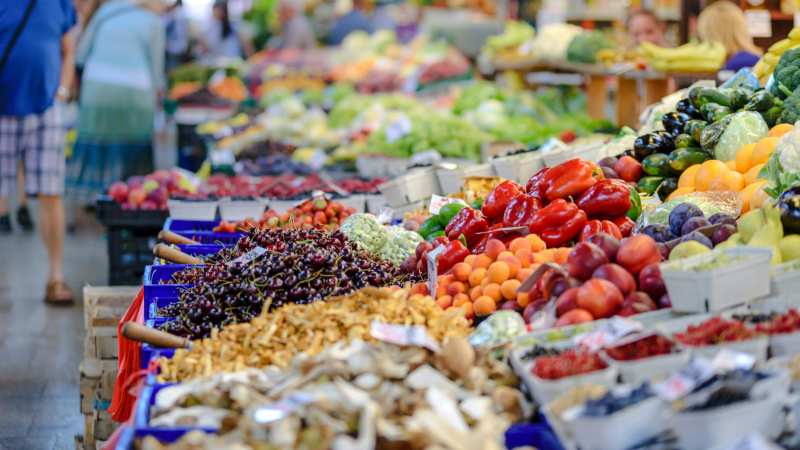
Seasonal eating is more than just a food trend—it is a healthier, more sustainable way to nourish your body while supporting local communities. By choosing foods that are naturally grown and harvested during their peak season, you gain access to better nutrition, richer flavors, and more environmentally friendly options. Understanding the value of seasonal eating can transform not only your meals but also your overall lifestyle.
What Is Seasonal Eating?
Seasonal eating means consuming fruits, vegetables, and other foods at the time of year when they are naturally harvested. Instead of relying on produce grown in artificial conditions or transported over long distances, seasonal eating focuses on foods that are fresh and locally available.
For example, strawberries are typically at their best in spring and early summer, while pumpkins and squash are harvested in autumn. Eating these foods during their natural season ensures maximum freshness, taste, and nutritional value.
Better Nutrition and Health Benefits
Fresh, seasonal foods are often richer in essential nutrients compared to out-of-season produce. When fruits and vegetables are allowed to ripen naturally, they develop higher levels of vitamins, minerals, and antioxidants.
In contrast, foods grown out of season are often harvested early and transported long distances, which can reduce their nutritional quality. Seasonal produce also contains fewer preservatives and chemicals, making it a healthier choice for you and your family.
Key health benefits of seasonal eating include:
- Higher vitamin and mineral content
- Better taste and natural flavor
- Fewer harmful chemicals and preservatives
- Improved digestion and overall wellness
Supports Local Farmers and Communities
Buying seasonal foods often means purchasing from local farmers and markets. This supports local agriculture and helps small farmers sustain their livelihoods. When you buy local produce, more money stays within your community, strengthening the local economy.
Additionally, local farmers often use more sustainable farming practices, which helps protect soil quality, water resources, and biodiversity.
Environmental Benefits
Seasonal eating reduces the environmental impact associated with food transportation and storage. Foods that travel long distances require refrigeration, packaging, and fuel, all of which contribute to pollution and climate change.
By choosing locally grown seasonal foods, you help reduce carbon emissions, minimize packaging waste, and promote a more sustainable food system.
Better Taste and Variety
Seasonal foods simply taste better. Fruits and vegetables harvested at their peak ripeness are naturally sweeter, juicier, and more flavorful. Seasonal eating also encourages variety in your diet, as different foods become available throughout the year.
This variety ensures a balanced intake of nutrients and keeps your meals exciting and enjoyable.
Cost-Effective and Budget-Friendly
Seasonal foods are usually more affordable because they are abundant and do not require expensive transportation or storage. When supply is high, prices naturally decrease, allowing you to enjoy fresh, healthy foods at a lower cost.
Shopping at local farmers’ markets or buying produce in season can significantly reduce your grocery expenses while improving food quality.
How to Start Eating Seasonally
Transitioning to seasonal eating is simple with a few practical steps:
- Visit local farmers’ markets regularly
- Learn which foods grow in each season in your region
- Plan meals based on seasonal produce
- Store and preserve seasonal foods for later use
- Try new recipes using fresh ingredients
Conclusion
Seasonal eating is a powerful way to improve your health, support local farmers, and protect the environment. By choosing fresh, locally grown foods, you enjoy better nutrition, richer flavors, and more affordable options. Making seasonal foods a regular part of your diet is a simple yet impactful step toward a healthier lifestyle and a more sustainable future.Read More Here.