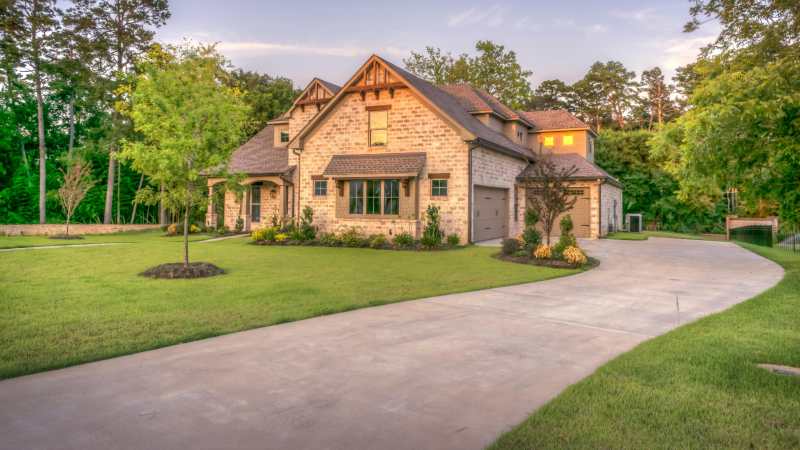
Creating a seamless connection between indoor and outdoor spaces has become one of the most desirable trends in modern home design. We no longer view the garden as a separate area but as a natural extension of our living environment. By blending architecture, landscaping, materials, and décor, we can design a harmonious living experience that enhances comfort, functionality, and visual appeal.
A well-designed transition between interior and exterior spaces allows us to maximize natural light, improve airflow, and expand usable living areas. Whether we are working with a compact backyard or a large landscape, the right approach helps us create a balanced and cohesive atmosphere that reflects both style and practicality.
Understanding the Concept of Indoor-Outdoor Living
Indoor-outdoor living focuses on removing visual and physical barriers between the home interior and the garden. Instead of treating these spaces separately, we integrate them through consistent materials, colors, textures, and layouts.
We achieve this concept by:
- Using large glass doors or sliding panels
- Extending flooring materials from inside to outside
- Creating matching furniture themes
- Designing functional outdoor living zones
Design ideas shared by platforms such as HGTV and magazines like Better Homes & Gardens consistently highlight that effective indoor-outdoor design depends on smooth continuity and natural visual flow between spaces.
Planning a Cohesive Layout for Home and Garden
Before selecting décor or materials, we must first plan a unified layout structure. The goal is to ensure that movement between spaces feels natural and effortless.
We begin by analyzing:
- Door placement
- Garden pathways
- Sightlines from indoor rooms
- Functional zones
For example, when the living room opens directly to a patio, we can position outdoor seating to mirror the indoor arrangement. This creates a visual connection that makes both areas feel larger and more integrated.
Additionally, aligning walkways with indoor flooring patterns helps establish a continuous design rhythm.
Choosing Consistent Flooring Materials
One of the most powerful techniques for achieving seamless design is extending floor materials from indoors to outdoors.
We can use:
- Porcelain tiles
- Natural stone
- Composite decking
- Concrete finishes
When the indoor flooring continues into the patio or terrace, the boundary between spaces becomes visually minimal. Even when using different materials, selecting similar tones or textures maintains design continuity.
Slip-resistant finishes are essential for outdoor areas to ensure both safety and durability.
Maximizing Natural Light and Open Views
Natural light plays a crucial role in blending interior and exterior environments. We can dramatically improve the connection by installing:
- Floor-to-ceiling glass doors
- Bi-fold door systems
- Large panoramic windows
These features allow us to open the home completely during pleasant weather while maintaining strong visual access when closed.
Strategically placed windows also help frame the garden like a living artwork, enhancing the overall aesthetic impact of the space.
Creating Functional Outdoor Living Zones
A seamless home and garden design requires the outdoor area to be as functional as the interior. Instead of treating it as a decorative space only, we create purpose-driven zones such as:
- Outdoor dining areas
- Lounge seating sections
- Garden workspaces
- Outdoor kitchens
When these zones mirror indoor functions, the transition becomes more natural. For example, placing an outdoor dining table directly outside the kitchen strengthens usability and convenience.
Adding features like pergolas, shade structures, or weather-resistant furniture ensures year-round comfort.
Using Coordinated Color Palettes and Textures
Color consistency is essential for creating a unified visual experience. We recommend selecting a core color palette that flows from indoor décor into outdoor landscaping.
Effective strategies include:
- Matching cushion fabrics with indoor upholstery
- Coordinating wall tones with garden planters
- Repeating wood finishes in furniture and decking
Neutral tones such as beige, soft gray, and earthy brown work particularly well because they complement both interior and natural environments.
Textures also play an important role. Combining stone, wood, and metal elements helps maintain design depth without creating visual clutter.
Integrating Landscaping with Architectural Design
Landscaping should never feel disconnected from the home structure. Instead, we design the garden to reflect the architectural personality of the house.
For modern homes, we often use:
- Minimalist plant arrangements
- Geometric garden layouts
- Clean pathway lines
For traditional homes, we may incorporate:
- Layered greenery
- Curved pathways
- Decorative flower beds
Plant selection should also consider climate compatibility, ensuring long-term sustainability and easier maintenance.
Blending Indoor and Outdoor Furniture Styles
Furniture is a key element in achieving seamless design. We recommend selecting outdoor furniture that reflects indoor style themes.
Important considerations include:
- Similar frame materials
- Coordinated fabric colors
- Matching design shapes
Modern weather-resistant materials such as synthetic rattan, treated wood, and powder-coated aluminum provide durability while maintaining visual elegance.
Layering with outdoor rugs, throw pillows, and decor lighting strengthens the connection between both environments.
Enhancing Ambience with Lighting Design
Lighting plays a significant role in creating a smooth indoor-outdoor transition, especially during evening hours.
We can combine:
- Warm indoor ambient lighting
- Garden pathway lights
- Wall-mounted exterior fixtures
- String lighting for outdoor seating
Consistent lighting tones help both spaces feel like a single extended environment rather than separate zones.
Smart lighting systems also allow us to control brightness levels, improving both functionality and atmosphere.
Adding Natural Elements Inside the Home
To strengthen the connection further, we bring natural elements indoors. This approach makes the interior feel like part of the outdoor landscape.
Effective techniques include:
- Indoor potted plants
- Natural wood décor
- Stone accent walls
- Water features
These elements reinforce visual continuity while improving overall air quality and well-being.
Designing for Comfort and Seasonal Flexibility
A truly seamless home and garden must remain functional across changing seasons. We achieve this by incorporating adaptable features such as:
- Retractable awnings
- Outdoor heaters
- Sliding glass enclosures
- Weather-resistant fabrics
This flexibility allows us to enjoy outdoor living spaces throughout the year without compromising comfort.
Maintaining Balance Between Style and Practicality
While aesthetics are important, functionality must remain a priority. We ensure that all materials and design choices support:
- Durability
- Easy maintenance
- Weather resistance
- Long-term usability
By balancing beauty and practicality, we create spaces that remain visually appealing and structurally reliable over time.
Conclusion: Creating a Fresh Lifestyle Through Seamless Living
When we thoughtfully connect indoor and outdoor areas, we transform our homes into open, refreshing living environments. A seamless home and garden design enhances natural comfort, encourages relaxation, and promotes a fresh lifestyle rooted in balance with nature. Through coordinated layouts, consistent materials, functional outdoor zones, and integrated landscaping, we build spaces that feel expansive, elegant, and deeply connected to everyday living.