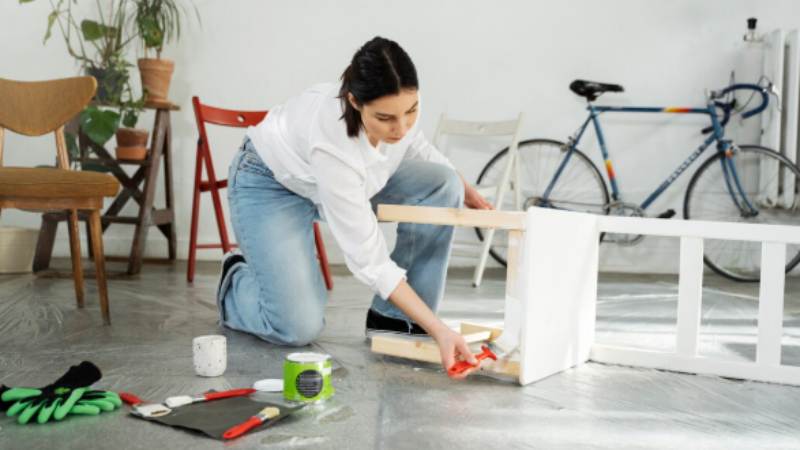
DIY home projects are becoming increasingly popular among homeowners who want to improve their living space without spending a fortune. Whether you want to upgrade your bedroom, redesign your kitchen, organize your storage, or simply add a personal touch to your home, DIY projects can help you achieve your goals affordably and creatively.
In this complete guide, you will learn everything about DIY home projects — from planning and budgeting to tools, safety tips, beginner-friendly ideas, and advanced upgrades. By the end of this article, you’ll feel confident enough to start your own project step by step.
What Are DIY Home Projects?
DIY stands for “Do It Yourself.” It means completing home improvement tasks without hiring professionals. These tasks can range from small decorative upgrades to larger renovation-style improvements.
DIY home projects can include:
- Painting walls
- Installing shelves
- Building furniture
- Creating storage solutions
- Upgrading lighting fixtures
- Decorating rooms
- Organizing kitchens and closets
The main goal is to improve your home using your own effort, creativity, and basic tools.
Why Choose DIY Projects for Your Home?
There are many reasons why homeowners prefer DIY projects:
- Cost Savings
Hiring professionals can be expensive. By doing it yourself, you save labor costs and only spend on materials.
- Personal Satisfaction
Completing a project on your own gives a strong sense of achievement and confidence.
- Customization
You can design exactly what fits your taste and style.
- Skill Development
You learn new skills like painting, measuring, drilling, and organizing.
- Flexibility
You can work at your own pace and schedule.
How to Plan a DIY Home Project Properly
Planning is the most important part of any successful DIY project.
Step 1: Define Your Goal
Ask yourself:
- What do I want to improve?
- Is this for decoration, comfort, or storage?
- Is it necessary or just aesthetic?
Be clear about the purpose before starting.
Step 2: Set a Budget
Make a list of:
- Materials needed
- Tools required
- Extra supplies
- Emergency costs
Always keep 10–15% extra in your budget for unexpected expenses.
Step 3: Measure Everything
Incorrect measurements are the most common mistake. Measure walls, floors, and spaces accurately before buying materials.
Step 4: Gather Tools in Advance
Common tools you may need:
- Measuring tape
- Hammer
- Screwdriver set
- Drill machine
- Paint brushes and rollers
- Level
- Safety gloves and goggles
Step 5: Make a Timeline
Divide your project into small tasks and assign realistic deadlines.
Beginner-Friendly DIY Project Ideas
If you are new to DIY, start with simple projects.
- Painting a Room
Painting is one of the easiest and most affordable upgrades.
Tips:
- Clean the wall before painting
- Use painter’s tape for clean edges
- Apply primer if necessary
- Use two coats for a better finish
- Wall Shelves Installation
Floating shelves add storage and style.
Steps:
- Mark the desired height
- Use a level for straight alignment
- Drill holes carefully
- Secure brackets tightly
- Decorative Wall Panels
You can create a modern look using simple wooden strips or wallpaper panels.
- DIY Photo Wall
Create a family gallery wall using frames of different sizes.
- Indoor Plant Corner
Add small plants in decorative pots to improve room aesthetics.
Intermediate DIY Projects
Once you gain confidence, try slightly advanced tasks.
- Kitchen Backsplash Installation
Peel-and-stick tiles are beginner-friendly and affordable.
- Custom Storage Boxes
Build wooden storage boxes for organizing toys, books, or tools.
- Closet Organization System
Install extra rods, shelves, and baskets to maximize space.
- Bathroom Vanity Upgrade
Change handles, repaint cabinets, and replace mirrors for a fresh look.
Advanced DIY Projects
For experienced DIY enthusiasts:
- Wooden Furniture Building
Build your own coffee table or study desk using plywood.
- Accent Wall with Wood or Panels
Create a feature wall using wooden slats or textured panels.
- Outdoor Deck Renovation
Refinish or repaint your deck for a refreshed outdoor space.
- Lighting Fixture Replacement
Upgrade old lighting to modern LED designs.
⚠ Always turn off electricity before working with wiring.
Essential Safety Tips
Safety should always be your top priority.
- Wear gloves and safety goggles
- Keep children away from tools
- Turn off the electricity before electrical work
- Use proper ladders
- Avoid working alone on heavy tasks
- Read instructions carefully
Never rush your project. Mistakes happen when you hurry.
Budget-Friendly DIY Tips
Here are some smart ways to save money:
Reuse Old Materials
Refinish old furniture instead of buying new.
Shop Smart
Buy materials during discount sales.
Compare Prices
Check multiple stores before purchasing.
Use Recycled Items
Wood pallets, glass jars, and old frames can be reused creatively.
Common Mistakes to Avoid
- Skipping planning
- Ignoring measurements
- Buying cheap low-quality materials
- Not following safety rules
- Starting too many projects at once
Stay focused on one task at a time.
Tools Every DIY Enthusiast Should Own
Basic Toolkit:
- Hammer
- Screwdrivers
- Adjustable wrench
- Drill machine
- Measuring tape
- Level
- Utility knife
Optional Advanced Tools:
- Circular saw
- Jigsaw
- Nail gun
- Stud finder
Invest in good-quality tools; they last longer and work better.
How to Choose the Right DIY Project
Before starting any project, ask yourself:
- Do I have the required skills?
- Do I have enough time?
- Is the cost manageable?
- Is this safe to do alone?
If the answer is “yes,” go ahead confidently.
DIY Projects for Small Homes
Small homes require smart solutions.
Multi-Functional Furniture
Use beds with storage drawers.
Wall-Mounted Desks
Save floor space by installing foldable desks.
Vertical Storage
Use tall shelves instead of wide cabinets.
Mirror Placement
Mirrors create the illusion of bigger space.
Seasonal DIY Projects
Spring
- Garden cleaning
- Wall repainting
- Window washing
Summer
- Outdoor lighting
- Balcony decoration
- Patio setup
Autumn
- Insulation checks
- Weatherproofing
Winter
- Indoor decor upgrades
- Storage organization
How DIY Projects Increase Property Value
Well-planned DIY improvements can increase your home’s resale value.
Examples:
- Fresh paint
- Modern lighting
- Updated kitchen cabinets
- Organized storage
Buyers prefer homes that look well-maintained.
Eco-Friendly DIY Ideas
Environmentally friendly improvements are trending.
- Install LED lights
- Use recycled wood
- Create compost bins
- Install water-saving fixtures
- Use non-toxic paints
Eco-friendly projects reduce long-term costs.
Time Management for DIY Work
Good time management ensures project success.
- Break work into small tasks
- Set realistic goals
- Avoid distractions
- Prepare materials before starting
- Take short breaks
Consistency is more important than speed.
Final Thoughts
DIY home projects are not just about improving your house — they are about improving your skills, creativity, and confidence. Whether you are starting with simple wall painting or building custom furniture, each project teaches you something valuable.
Start small, plan carefully, use proper tools, follow safety rules, and stay patient. Over time, you will notice a huge transformation in your home and your abilities.
Remember, the key to successful DIY home projects is preparation, patience, and persistence. Once you complete your first project, you’ll feel motivated to take on bigger challenges.
If you stay consistent and keep learning, your home can become a reflection of your personal style — built by your own hands.